

.jpg "Bitcoin Fintech Zoom: Exploring Bitcoin and the Future of Digital Finance")
Bitcoin has changed the way people think about money, payments, and financial services. At the same time, financial technology has developed rapidly, creating new tools for digital banking, online payments, investment management, and financial automation. The combination of these areas creates an important discussion around bitcoin fintech zoom, where cryptocurrency and modern financial technology can be examined together. Bitcoin operates through blockchain technology rather than a traditional centralized banking system, while fintech companies use software and digital infrastructure to make financial services faster and more accessible. As consumers become increasingly comfortable with digital transactions, businesses and financial institutions are exploring ways to incorporate blockchain-based systems into their services. This development is encouraging innovation while also creating questions about regulation, security, volatility, privacy, and consumer protection. Understanding how Bitcoin and fintech interact can help readers better understand the changing structure of the global financial ecosystem.
How Bitcoin Fits Into the Fintech Industry
Fintech refers to the use of technology to improve or transform financial services. Mobile banking applications, digital wallets, online lending platforms, automated investment systems, payment gateways, and blockchain networks are all examples of fintech innovation. Bitcoin fits into this broader environment because it provides a digitally native form of value transfer that does not require traditional payment infrastructure for every transaction. The concept behind bitcoin fintech zoom therefore extends beyond simply discussing cryptocurrency prices. It involves examining how Bitcoin technology may influence payments, financial access, asset ownership, and digital commerce. Fintech businesses can build applications around blockchain networks, while traditional financial companies can develop services that allow customers to interact with digital assets. These developments show how financial technology can connect established financial systems with emerging digital assets while giving users additional ways to manage and transfer value.
The Role of Blockchain in Bitcoin
Blockchain is one of the most important technologies associated with Bitcoin. It functions as a distributed digital ledger that records transactions across a network of participating computers. Instead of relying on one central database, blockchain technology distributes transaction information across multiple participants. This structure helps create transparency and makes unauthorized changes to historical transaction records extremely difficult. Bitcoin uses a consensus mechanism to validate transactions and maintain the network. For fintech companies, blockchain technology offers ideas that can potentially be applied to areas beyond cryptocurrency. Financial institutions can explore distributed ledgers for settlement, recordkeeping, identity management, and other processes. However, blockchain adoption also involves technical, regulatory, and operational challenges. The broader bitcoin fintech zoom perspective considers both the opportunities and limitations of blockchain instead of treating the technology as a universal replacement for traditional financial systems.
Bitcoin and Digital Payments
Digital payments have become an essential part of modern commerce. Consumers increasingly expect transactions to be convenient, fast, and available through smartphones and online platforms. Bitcoin offers another method of transferring value digitally, although its characteristics differ from conventional card payments, bank transfers, and mobile payment systems. Bitcoin transactions can be sent between compatible digital wallets without requiring a conventional payment intermediary to authorize every transfer.
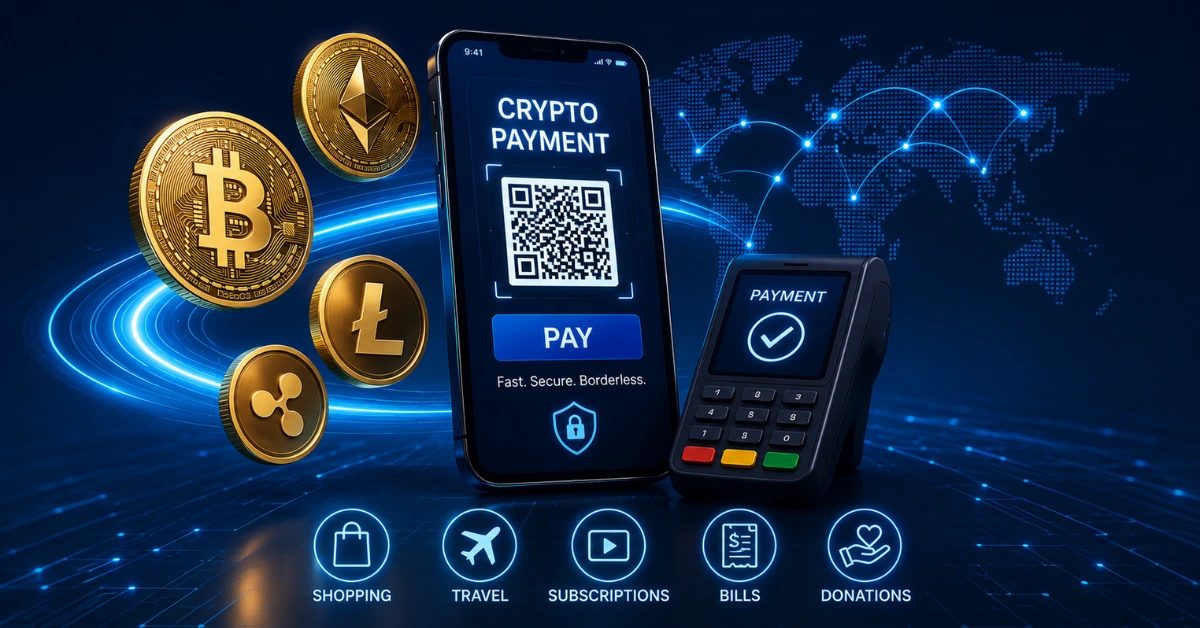 This can make the technology interesting for certain international and digital payment applications. At the same time, transaction fees, confirmation times, price volatility, and regulatory requirements can affect its practical use. Fintech developers therefore need to consider the specific needs of customers and merchants before integrating cryptocurrency functionality. Bitcoin may work well in some use cases while traditional payment systems remain more suitable in others.
Financial Inclusion and Access to Digital Assets
One potential benefit of digital financial technology is improved access to financial services. People who have limited access to traditional banking infrastructure may be able to use internet-connected devices to interact with digital financial platforms. Bitcoin can contribute to this discussion because users can hold and transfer the asset through digital wallets without necessarily maintaining a conventional bank account. However, access to technology alone does not guarantee financial inclusion. Users also need reliable internet connectivity, suitable devices, knowledge of digital security, and access to trustworthy services. Education is particularly important because cryptocurrency transactions can involve risks that new users may not fully understand. From the bitcoin fintech zoom viewpoint, financial inclusion should therefore be evaluated through a combination of accessibility, affordability, education, security, and consumer protection rather than cryptocurrency availability alone.
Bitcoin Investment and Market Volatility
Bitcoin has also become a major subject in investment discussions. Its price can experience significant changes over relatively short periods, making it different from many traditional financial assets. Investors may view Bitcoin as a speculative asset, a long-term digital asset, a portfolio diversification opportunity, or a technology-driven financial instrument. These different perspectives can lead to very different investment strategies. Fintech platforms have made it easier for individuals to monitor markets, analyze price movements, and access digital asset services. However, easier access does not remove investment risk. Market volatility can produce substantial gains or losses, and investors should understand their financial objectives and risk tolerance before committing capital. A responsible approach to Bitcoin investing requires research, diversification where appropriate, awareness of fees, and careful consideration of regulatory and security issues.
The Importance of Cryptocurrency Security
Security is a major concern within the cryptocurrency and fintech industries. Bitcoin itself relies on cryptographic technology to protect transactions and ownership, but users still have to protect their wallets, private keys, passwords, and accounts. Losing access credentials can create serious problems because cryptocurrency transactions generally cannot simply be reversed like some conventional payment transactions. Fintech companies that provide cryptocurrency-related services must also maintain strong cybersecurity practices. Multi-factor authentication, secure infrastructure, transaction monitoring, and effective account protection can help reduce certain risks. Users should be cautious about phishing messages, fraudulent investment schemes, fake applications, and unsolicited requests for wallet information. The growth of bitcoin fintech zoom as a financial topic makes security education increasingly important because technological convenience must be balanced with responsible digital asset management.
Regulation and Consumer Protection
Regulation is another major factor shaping the relationship between Bitcoin and fintech. Governments and financial regulators around the world continue to develop different approaches to cryptocurrency, digital assets, taxation, anti-money-laundering requirements, and consumer protection. Regulations can affect how companies provide cryptocurrency services and how individuals purchase, sell, hold, or use digital assets. Clear rules may provide greater confidence for legitimate businesses and consumers, while uncertain regulations can create challenges for companies attempting to build long-term products. At the same time, regulation needs to address risks such as fraud, market manipulation, financial crime, and inadequate consumer disclosures. The future of bitcoin fintech zoom will therefore depend not only on technological development but also on how regulators, financial institutions, technology companies, and consumers respond to the changing digital economy.
How Fintech Companies Can Use Bitcoin Technology
Fintech companies can explore Bitcoin and related technologies in several ways. Some businesses may provide digital asset trading services, while others may focus on payments, custody, analytics, or financial education. Blockchain concepts can also inspire new approaches to transaction verification and digital ownership. Companies may develop software that helps users monitor cryptocurrency portfolios or integrate digital assets into broader financial applications. However, successful implementation requires more than adding a cryptocurrency feature to an existing platform. Businesses need reliable infrastructure, strong cybersecurity, regulatory compliance, transparent pricing, and effective customer support. They must also understand whether customers actually need the service being developed. Technology should solve a genuine financial problem rather than being adopted simply because cryptocurrency is popular.
Bitcoin, Artificial Intelligence, and Financial Innovation
Artificial intelligence is becoming another important technology in fintech. AI systems can analyze large amounts of financial information, identify patterns, automate certain processes, and improve customer experiences. When combined with blockchain and digital assets, AI could contribute to areas such as fraud detection, transaction monitoring, market analysis, financial automation, and risk assessment.

Challenges Facing Bitcoin and Fintech Adoption
Despite significant innovation, Bitcoin and fintech still face several challenges. Price volatility can make cryptocurrency difficult to use as a stable everyday payment method. Regulatory differences between countries can complicate international business operations. Security threats can affect users and financial platforms, while technical complexity can discourage people who are unfamiliar with digital assets. Scalability, energy consumption, transaction costs, and user experience are also important considerations depending on the particular application. Traditional financial institutions have established systems, customer relationships, and regulatory frameworks, which means that new technologies must demonstrate clear benefits before widespread adoption occurs. These challenges do not necessarily prevent innovation, but they show why responsible development requires realistic expectations. Long-term adoption will likely depend on whether Bitcoin-related technology can provide practical value while addressing security, regulatory, and usability concerns.
The Future of Bitcoin in Financial Technology
The future relationship between Bitcoin and fintech is likely to develop gradually. Some financial services may incorporate digital assets directly, while others may adopt blockchain concepts without using Bitcoin itself. Improvements in financial infrastructure, cybersecurity, digital identity, payment systems, and regulatory frameworks could influence how cryptocurrency is used. Consumers may also become more familiar with digital assets as financial education improves and user interfaces become easier to understand. Financial institutions could continue experimenting with cryptocurrency-related products while technology companies create new applications around digital ownership and decentralized networks. The most successful developments will likely focus on solving specific problems rather than assuming that one technology can replace every existing financial service. As this ecosystem matures, bitcoin fintech zoom can be understood as a useful lens for examining the intersection of cryptocurrency, digital finance, technology, and changing consumer expectations.
What Businesses and Consumers Should Consider
Businesses considering Bitcoin-related fintech solutions should first identify a specific use case. They should evaluate regulatory obligations, cybersecurity requirements, transaction costs, customer demand, and operational risks. Consumers should similarly research platforms before using cryptocurrency services and understand how wallets, transactions, fees, and account security work. Neither businesses nor individuals should assume that technological innovation automatically means financial safety or profitability. Careful research remains essential. The strongest fintech ecosystem is one where innovation is combined with transparency and responsible risk management. Bitcoin can provide valuable technological and financial possibilities, but its role should be assessed based on practical requirements rather than hype. This balanced approach can help organizations and users make more informed decisions as digital finance continues to evolve.
Conclusion
Bitcoin has become an important part of the wider conversation about financial technology, blockchain, digital payments, and the future of money. The bitcoin fintech zoom perspective highlights how cryptocurrency can interact with modern financial platforms while also drawing attention to challenges involving security, regulation, volatility, accessibility, and usability. Bitcoin may not replace every traditional financial service, but its technology and growing presence have encouraged businesses to reconsider how digital value can be created, transferred, stored, and managed. As fintech continues to advance, the relationship between cryptocurrency and financial services will likely become more sophisticated. Understanding both the opportunities and limitations of Bitcoin can help consumers, businesses, and technology professionals navigate an increasingly digital financial environment.