


The cryptocurrency industry has transformed the global financial landscape over the past decade. What started with Bitcoin as a decentralized digital currency has evolved into a massive ecosystem of cryptocurrencies, blockchain projects, decentralized finance platforms, and digital assets. As the market continues to expand, investors increasingly rely on trusted information platforms to stay informed about trends, price movements, and emerging opportunities. One platform frequently discussed among crypto enthusiasts is the fintechzoom.com crypto market section.
The fintech zoom platform has gained attention for covering financial news, cryptocurrency developments, stock market updates, and investment insights. In a market that operates 24/7 and experiences rapid price fluctuations, having access to timely information can help investors make more informed decisions. Whether someone is new to digital assets or an experienced trader, understanding how market analysis platforms contribute to decision-making is important.
This article explores the fintechzoom.com crypto market ecosystem, its role in crypto analysis, current market trends, investment opportunities, risks, and strategies that investors can use to navigate the evolving world of digital currencies.
Understanding the Crypto Market Landscape
The cryptocurrency market is a decentralized financial environment where digital assets are bought, sold, and traded. Unlike traditional financial markets that operate within specific hours, crypto markets function continuously, allowing transactions to occur around the clock.
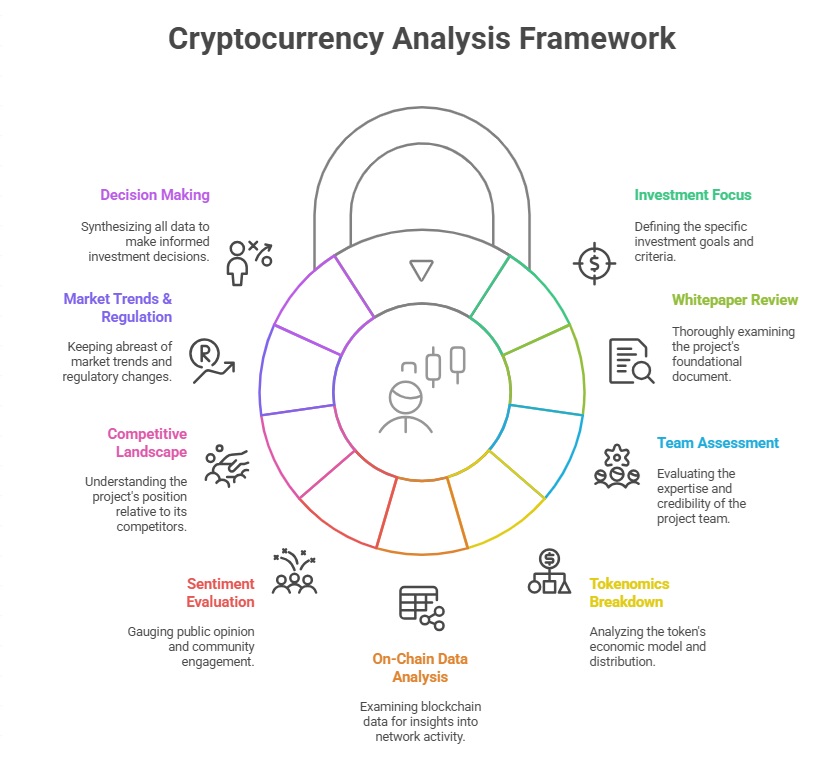
Cryptocurrencies derive value from several factors, including:
- Market demand and supply
- Technological innovation
- Blockchain adoption
- Investor sentiment
- Regulatory developments
- Global economic conditions
The fintech zoom crypto coverage often focuses on these factors because they significantly influence market performance. Investors who understand the relationship between these elements can better evaluate potential opportunities and risks.
The crypto market includes thousands of digital assets, but a few major cryptocurrencies dominate trading activity. Bitcoin remains the largest cryptocurrency by market capitalization, followed by Ethereum and several other prominent blockchain projects. Each asset serves different purposes, ranging from digital payments to decentralized applications and smart contract functionality.
Why Market Analysis Matters in Cryptocurrency
One of the biggest challenges in cryptocurrency investing is volatility. Prices can rise or fall dramatically within hours due to news events, market sentiment, or macroeconomic developments.
Market analysis helps investors:
Identify Trends
Recognizing upward and downward trends allows investors to make more informed decisions about buying or selling assets.
Evaluate Risk
Risk assessment is critical because cryptocurrencies are generally more volatile than traditional investments.
Discover Opportunities
Emerging blockchain projects and innovative technologies often create investment opportunities before they become widely recognized.
Stay Informed
Market updates provide valuable information about regulations, technological advancements, and institutional adoption.
The fintech zoom reporting approach typically highlights these aspects, helping readers understand the broader market environment rather than focusing solely on price movements.
Key Components of the FintechZoom.com Crypto Market Coverage
The fintechzoom.com crypto market section is often associated with various categories of cryptocurrency information. These categories help investors gain a more complete understanding of market conditions.
Cryptocurrency Price Analysis
Price analysis remains one of the most important aspects of crypto coverage. Investors constantly monitor:
- Bitcoin price movements
- Ethereum performance
- Altcoin trends
- Trading volume
- Market capitalization
These indicators help determine market momentum and investor confidence.
Blockchain Technology Developments
Beyond cryptocurrency prices, blockchain innovation plays a crucial role in long-term market growth. New blockchain networks, scalability solutions, and decentralized applications often influence investor interest.
Coverage of blockchain developments helps readers understand the technology driving digital asset adoption.
Regulatory Updates
Government regulations significantly impact cryptocurrency markets. New laws, tax policies, and compliance requirements can affect market sentiment and investment activity.
Investors who stay informed about regulatory developments are often better prepared for market changes.
Major Cryptocurrencies Shaping the Market
The crypto market contains thousands of assets, but only a handful significantly influence overall market direction.
| Cryptocurrency | Primary Purpose | Market Influence |
|---|---|---|
| Bitcoin (BTC) | Digital Store of Value | Very High |
| Ethereum (ETH) | Smart Contracts | Very High |
| Solana (SOL) | High-Speed Transactions | High |
| XRP | Cross-Border Payments | High |
| Cardano (ADA) | Blockchain Development | Moderate |
| Avalanche (AVAX) | Decentralized Applications | Moderate |
The fintech zoom crypto market discussions frequently focus on these leading assets because they represent a large share of total cryptocurrency market value.
Bitcoin often acts as the market leader. When Bitcoin experiences significant price movements, many other cryptocurrencies tend to follow similar trends. Ethereum, meanwhile, plays a major role in decentralized finance, NFTs, and blockchain applications.
Emerging Trends in the Crypto Market
The cryptocurrency industry continues to evolve rapidly. Several trends currently influence investor behavior and market growth.

Institutional Adoption
Institutional investment has become one of the most significant drivers of cryptocurrency growth. Large financial organizations, investment firms, and corporations are increasingly exploring digital assets.
Institutional participation brings:
- Greater market liquidity
- Increased credibility
- Improved infrastructure
- Enhanced investor confidence
Many analysts believe institutional adoption will remain a major growth factor for years to come.
Decentralized Finance (DeFi)
DeFi platforms aim to recreate traditional financial services using blockchain technology. These services include lending, borrowing, staking, and trading without relying on centralized intermediaries.
The fintech zoom coverage often highlights DeFi developments because they represent one of the most innovative areas of the blockchain ecosystem.
Tokenization of Assets
Tokenization allows real-world assets to be represented digitally on a blockchain. This process can improve accessibility, transparency, and efficiency in financial markets.
Examples include:
- Real estate tokens
- Digital securities
- Commodity-backed tokens
- Fractional ownership assets
As adoption increases, tokenization could significantly reshape investment markets.
How Investors Use Market Information
Information plays a central role in investment decision-making. Successful investors typically combine multiple forms of analysis before making financial commitments.

Fundamental Analysis
Fundamental analysis focuses on evaluating a project’s long-term potential. Investors may examine:
- Development activity
- Team experience
- Technology innovation
- Adoption rates
- Strategic partnerships
Projects with strong fundamentals often attract long-term investors.
Technical Analysis
Technical analysis studies price charts and market patterns. Common indicators include:
- Moving averages
- Relative Strength Index (RSI)
- Trading volume
- Support and resistance levels
While technical analysis does not guarantee outcomes, many traders use it to identify potential entry and exit points.
Sentiment Analysis
Market sentiment reflects investor emotions and expectations. Positive sentiment can drive buying activity, while fear can trigger selling pressure.
The fintech zoom market commentary often incorporates sentiment-related observations because psychology plays a significant role in cryptocurrency price movements.
Risks Associated with Cryptocurrency Investing
Although cryptocurrency offers substantial opportunities, investors must also recognize potential risks.
Market Volatility
Cryptocurrency prices can fluctuate dramatically over short periods. Rapid gains may be followed by significant corrections.
Regulatory Uncertainty
Governments around the world continue developing regulatory frameworks for digital assets. Regulatory changes can affect market performance.
Security Concerns
Cybersecurity remains an important issue in the cryptocurrency space. Investors must protect private keys, wallets, and exchange accounts.
Project Failure
Not all blockchain projects succeed. Some may experience technical issues, lack adoption, or fail to achieve development goals.
Understanding these risks helps investors build more balanced and realistic expectations.
Strategies for Navigating the Crypto Market
Investors often use different strategies depending on their goals, risk tolerance, and investment horizon.
Long-Term Investing
Long-term investors focus on assets they believe will grow over several years. This strategy emphasizes patience and fundamental research.
Benefits include:
- Reduced trading stress
- Lower transaction costs
- Potential long-term appreciation
Dollar-Cost Averaging
Dollar-cost averaging involves investing fixed amounts at regular intervals regardless of market conditions.
Advantages include:
- Reduced emotional decision-making
- Lower timing risk
- Consistent investment discipline
Portfolio Diversification
Diversification spreads risk across multiple assets rather than concentrating investments in a single cryptocurrency.
A diversified portfolio may include:
- Bitcoin
- Ethereum
- Large-cap altcoins
- Emerging blockchain projects
- Stablecoins
The fintech zoom crypto market discussions frequently emphasize diversification as a risk-management technique.
The Role of Market Sentiment and News
News events can have immediate effects on cryptocurrency prices. Positive announcements often increase investor confidence, while negative developments can trigger sell-offs.
Important news categories include:
- Regulatory decisions
- Exchange listings
- Technological upgrades
- Institutional investments
- Economic policy changes
- Security incidents
Investors who follow reliable financial reporting sources often gain valuable context for understanding market reactions.
The fintech zoom platform is commonly referenced by readers seeking updates on these developments because timely information can support more informed decision-making.
Future Outlook for the Crypto Market
The future of cryptocurrency remains one of the most discussed topics in modern finance. While uncertainty persists, several factors suggest continued industry growth.
Blockchain technology continues expanding into sectors such as:
- Finance
- Healthcare
- Supply chain management
- Real estate
- Gaming
- Digital identity
As adoption increases, cryptocurrencies may become more integrated into everyday financial systems. Advances in scalability, interoperability, and security could further strengthen the industry’s foundation.
Many analysts believe future growth will depend on a combination of technological innovation, regulatory clarity, institutional participation, and consumer adoption. Platforms that provide comprehensive market analysis, including fintech zoom content, are likely to remain valuable resources for investors seeking to understand these developments.
Conclusion
The cryptocurrency industry continues to evolve at an extraordinary pace, creating both opportunities and challenges for investors worldwide. Understanding market trends, technological developments, regulatory changes, and investor sentiment is essential for navigating this dynamic environment successfully.