

The global economy has become increasingly interconnected, making it essential for individuals, investors, businesses, and policymakers to stay informed about financial developments. In this digital age, online financial platforms play a significant role in delivering economic insights, market analysis, and financial news. Among these platforms, fintechzoom.com economy coverage has attracted attention for providing updates on economic trends, market movements, and financial developments.
Economic conditions influence almost every aspect of daily life, from employment opportunities and consumer spending to investments and business growth. Understanding economic indicators and market trends can help individuals make informed financial decisions. Platforms that focus on financial education and market analysis bridge the gap between complex economic data and everyday understanding.
This article explores the importance of fintechzoom.com economy coverage, how economic trends affect financial markets, key economic indicators, and the role of technology in shaping the future of economic analysis.
What Is FintechZoom.com Economy?
The fintechzoom.com economy section focuses on providing information related to economic developments, financial markets, inflation trends, employment data, and global economic conditions. Such coverage helps readers understand how macroeconomic events influence personal finance, investments, and business operations.

Economic news has become more relevant than ever due to globalization and digital transformation. A policy change in one country can impact markets worldwide, affecting stock prices, currencies, commodities, and consumer confidence.
Readers often seek economic updates to:
- Track inflation and interest rate changes
- Understand stock market performance
- Monitor global economic growth
- Follow employment and labor market trends
- Evaluate investment opportunities
- Stay informed about government policies
By presenting economic information in an accessible manner, financial platforms help users interpret complex economic events and understand their broader implications.
Why Economic News Matters in Today’s World
Economic news influences decisions made by individuals, businesses, investors, and governments. Whether someone is planning a major purchase, investing in stocks, or expanding a business, economic conditions play a critical role.
For consumers, inflation rates can affect household budgets and purchasing power. Rising prices may lead families to adjust spending habits and prioritize essential expenses. Similarly, changes in interest rates influence borrowing costs for mortgages, personal loans, and business financing.
Businesses rely on economic forecasts to make strategic decisions regarding expansion, hiring, and investment. Investors monitor economic indicators to evaluate market opportunities and potential risks.
The fintech zoom approach to economic reporting helps readers connect economic developments with real-world financial outcomes. By understanding economic trends, individuals can better prepare for financial challenges and opportunities.
Key Economic Indicators Covered in Financial Analysis
Economic indicators provide valuable insights into the health and direction of an economy. These metrics help economists, investors, and policymakers evaluate current conditions and predict future trends.
Gross Domestic Product (GDP)
GDP measures the total value of goods and services produced within a country during a specific period. It is widely regarded as one of the most important indicators of economic performance.
A growing GDP generally indicates economic expansion, while declining GDP may signal economic slowdown or recession. Investors closely monitor GDP reports because they often influence market sentiment and investment decisions.
Inflation Rate
Inflation measures the rate at which prices for goods and services increase over time. Moderate inflation is considered normal in a healthy economy, but excessive inflation can reduce purchasing power and create economic uncertainty.
Financial analysts often examine inflation data to assess:
- Consumer spending behavior
- Central bank policy decisions
- Interest rate expectations
- Market volatility risks
Employment Statistics
Employment data provides insight into labor market conditions and economic strength. Indicators such as unemployment rates, job creation figures, and workforce participation help assess overall economic health.
Strong employment growth often supports consumer spending and economic expansion, while rising unemployment may indicate economic weakness.
Consumer Confidence
Consumer confidence reflects how optimistic people feel about their financial situation and the economy. High confidence levels often lead to increased spending, while lower confidence may result in reduced consumption and slower economic growth.
Economic Indicators and Their Impact
| Economic Indicator | Purpose | Market Impact |
|---|---|---|
| GDP Growth | Measures economic expansion | Influences stock market performance |
| Inflation Rate | Tracks price increases | Affects purchasing power and interest rates |
| Unemployment Rate | Evaluates labor market health | Impacts consumer spending |
| Interest Rates | Controls borrowing costs | Influences investments and lending |
| Consumer Confidence | Measures public sentiment | Affects retail sales and economic growth |
| Trade Balance | Compares exports and imports | Impacts currency value and economic stability |
The Relationship Between Economy and Financial Markets
Financial markets and the economy are closely connected. Economic conditions influence investor behavior, while market performance often reflects expectations about future economic growth.
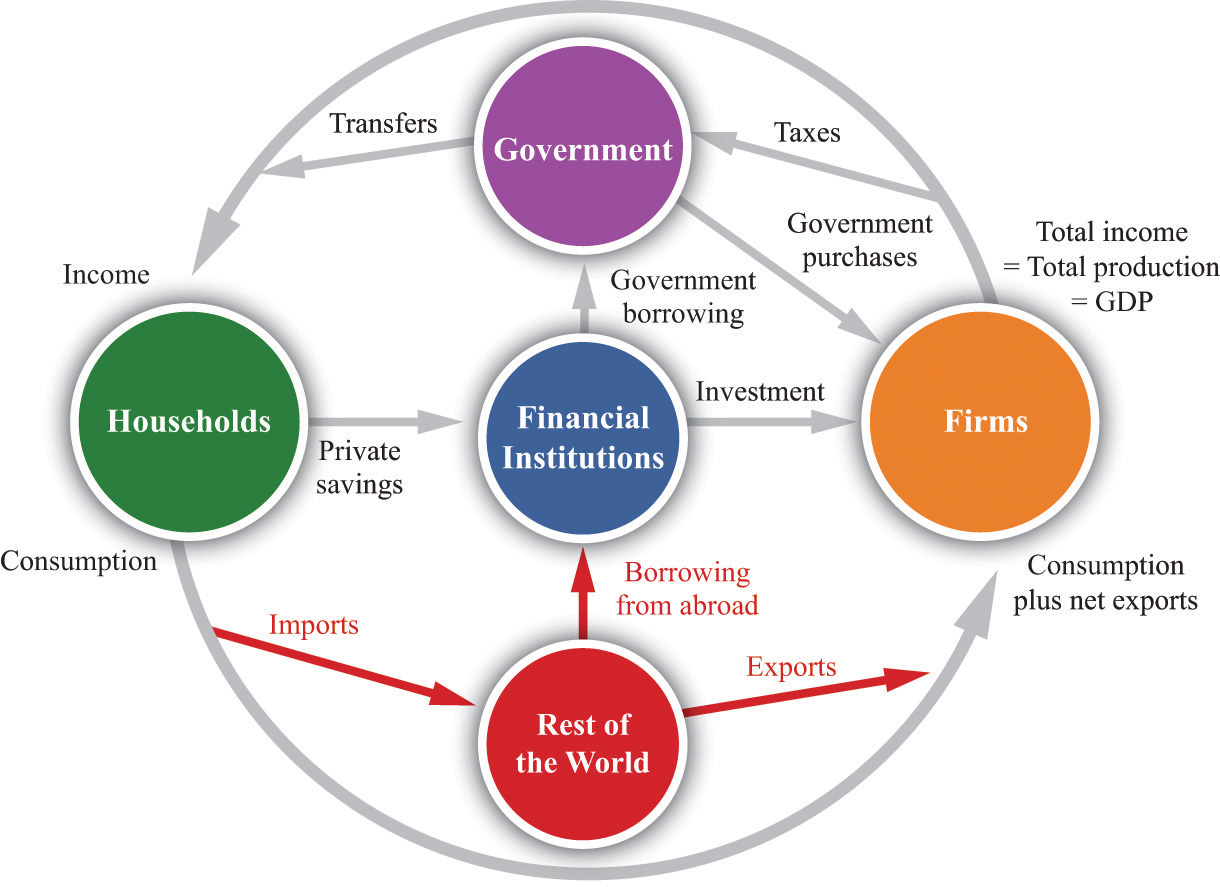
Stock markets tend to perform well during periods of economic expansion because businesses experience higher revenues and profits. Conversely, economic uncertainty can lead to increased market volatility and investor caution.
The fintech zoom perspective frequently highlights how economic events affect various asset classes, including stocks, bonds, commodities, and cryptocurrencies.
Investors analyze economic data to determine:
- Potential investment opportunities
- Market risks and uncertainties
- Sector-specific growth prospects
- Long-term economic trends
Understanding these relationships helps investors make informed decisions and develop effective investment strategies.
Interest Rates and Their Economic Significance
Interest rates are among the most influential economic tools used by central banks. They affect borrowing, spending, saving, and investing throughout the economy.

When central banks raise interest rates, borrowing becomes more expensive. This can help control inflation but may slow economic growth. Lower interest rates encourage borrowing and spending, often stimulating economic activity.
Interest rate decisions influence:
- Mortgage payments
- Business loans
- Credit card costs
- Investment returns
- Currency valuations
Many readers follow fintechzoom.com economy updates to stay informed about interest rate developments and their potential impact on financial markets.
How Interest Rates Affect Different Sectors
Different industries respond differently to interest rate changes. For example:
- Real estate often slows when rates rise.
- Banks may benefit from higher lending margins.
- Technology companies may face valuation pressure.
- Consumer spending can decline with higher borrowing costs.
These sector-specific effects make interest rate analysis an essential component of economic reporting.
The Growing Influence of Global Economic Trends
Modern economies are interconnected through trade, technology, finance, and supply chains. As a result, economic events in one region can influence markets worldwide.
Global economic factors include:
- International trade agreements
- Currency fluctuations
- Geopolitical developments
- Energy prices
- Supply chain disruptions
- Global inflation trends
Economic reporting platforms help readers understand how international developments affect domestic markets and investment opportunities.
The fintech zoom coverage of global economic trends often emphasizes the interconnected nature of modern financial systems and the importance of monitoring worldwide developments.
Technology’s Role in Economic Analysis
Technology has transformed the way economic information is collected, analyzed, and distributed. Advanced data analytics, artificial intelligence, and machine learning enable faster and more accurate economic forecasting.
Modern financial platforms utilize technology to provide:
- Real-time economic updates
- Interactive market analysis
- Predictive financial models
- Personalized financial insights
- Data visualization tools
These innovations make economic information more accessible to a broader audience. Users can now track economic indicators, market trends, and financial developments from virtually anywhere.
Digital transformation has also improved transparency, allowing individuals and businesses to access information that was once available only to professional analysts and institutions.
How Investors Use Economic Information
Investors rely heavily on economic data when making portfolio decisions. Understanding economic conditions helps them identify opportunities, manage risks, and allocate assets effectively.
Common investment strategies influenced by economic analysis include:
Growth Investing
Growth investors focus on companies expected to expand rapidly. Strong economic conditions often support growth-oriented sectors such as technology and consumer discretionary industries.
Value Investing
Value investors seek undervalued companies that may benefit from improving economic conditions. Economic downturns sometimes create opportunities to purchase quality assets at lower prices.
Defensive Investing
During periods of uncertainty, investors may shift toward defensive sectors such as healthcare, utilities, and consumer staples. These industries often demonstrate resilience during economic slowdowns.
The fintechzoom.com economy content can assist investors in understanding the broader economic context behind market movements and investment opportunities.
Economic Challenges Facing the Modern World
Despite technological progress and economic growth, several challenges continue to affect global economies.
Inflation Pressures
Persistent inflation remains a concern in many regions. Rising costs can impact consumers, businesses, and policymakers, creating challenges for sustainable economic growth.
Labor Market Changes
Automation, remote work, and digital transformation are reshaping employment patterns. Workers and employers must adapt to evolving skill requirements and workplace expectations.
Supply Chain Vulnerabilities
Recent global disruptions have highlighted the importance of resilient supply chains. Businesses increasingly focus on diversification and risk management to minimize disruptions.
Public Debt Levels
Many governments face rising debt burdens, creating long-term fiscal challenges. Policymakers must balance economic growth objectives with financial sustainability.
Understanding these challenges enables individuals and businesses to prepare for potential economic shifts and make informed financial decisions.
The Future of Economic Reporting
Economic reporting continues to evolve as technology advances and consumer expectations change. Readers increasingly demand real-time updates, interactive tools, and personalized insights.
Future trends in economic reporting may include:
- Enhanced AI-driven analysis
- Predictive economic modeling
- Real-time market intelligence
- Personalized economic dashboards
- Advanced data visualization
- Greater integration of global economic data
The fintech zoom ecosystem reflects the growing demand for accessible and actionable economic information. As financial literacy becomes more important, platforms that simplify economic concepts will continue to play a vital role.
Economic reporting is no longer limited to professional investors or economists. Today, anyone with internet access can monitor economic developments and gain valuable financial insights.
How Economic Awareness Improves Financial Decision-Making
Developing an understanding of economic principles can significantly improve personal financial outcomes. Economic awareness helps individuals:
- Create realistic budgets
- Manage debt effectively
- Plan long-term investments
- Prepare for economic downturns
- Evaluate financial risks
- Identify emerging opportunities
Financial literacy and economic knowledge work together to support better decision-making. Readers who regularly follow fintech zoom economic analysis can gain a broader perspective on market trends and financial developments.
In an increasingly complex financial environment, staying informed is essential for achieving personal and professional financial goals.
Conclusion
The economy influences virtually every aspect of modern life, from employment and business growth to investments and household finances. Understanding economic trends, indicators, and market dynamics enables individuals and organizations to make smarter financial decisions.